

Your garage door is one of the most used systems in your home, yet it is often taken for granted until something stops working. While some issues are obvious, many garage door problems start small and gradually get worse. Knowing the warning signs early can help you avoid safety risks, unexpected breakdowns, and costly repairs.
Below, we break down the most common signs your garage door may need professional attention and explain why acting sooner rather than later makes a difference.
Unusual Noises During Operation
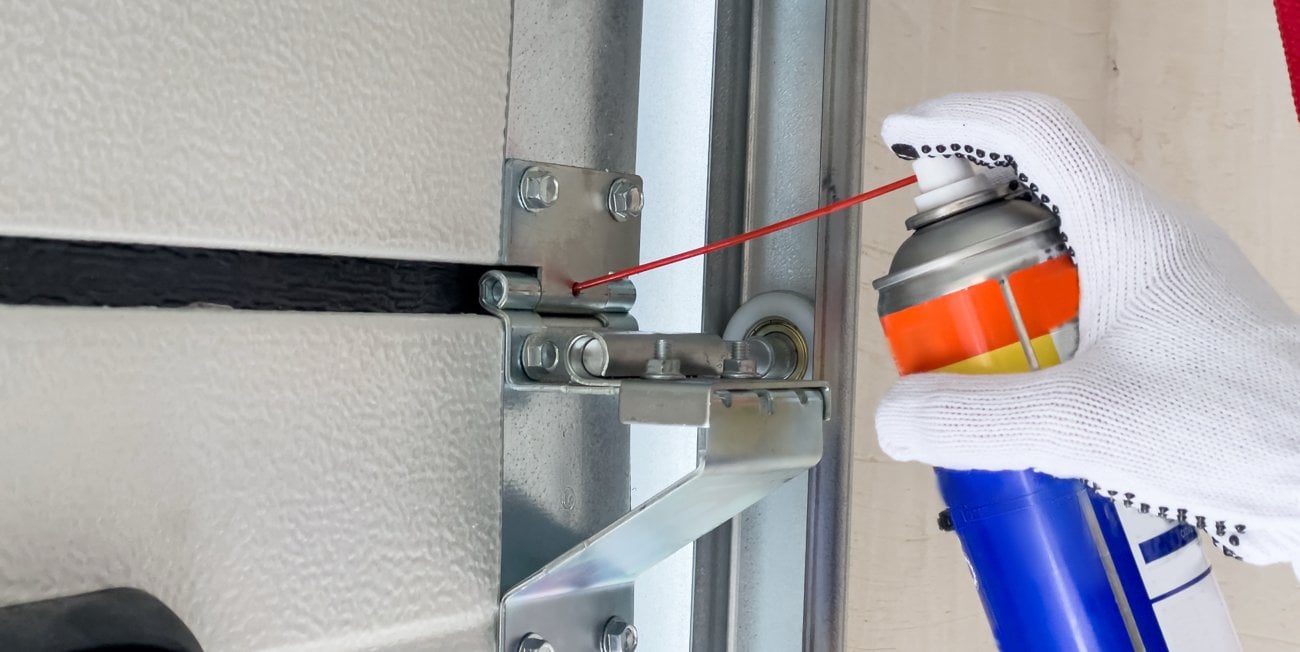
A properly functioning garage door should operate smoothly and quietly. If you begin hearing grinding, scraping, popping, or squealing sounds, something is no longer working as intended.
Common causes of noise include:
- Worn rollers or hinges
- Loose hardware
- Dry bearings or springs
- Opener strain
While basic lubrication can sometimes help, ongoing noise often points to mechanical wear. Ignoring it can lead to further damage and increase the likelihood of needing major garage door repair.
The Door Moves Slowly or Unevenly
If your garage door hesitates, shakes, or moves unevenly while opening or closing, it is likely out of balance. This is often caused by worn cables, track misalignment, or spring issues. A door that no longer moves smoothly puts extra stress on the opener and other components. Over time, this can lead to system failure or create a safety hazard. One of the most common underlying issues is a broken garage door spring. Springs support the full weight of the door, and when they weaken, performance quickly declines.
Your Garage Door Will Not Stay Open
A garage door that opens and slowly drifts back down is a clear sign that the spring system is failing. Springs lose tension over time, and once they can no longer support the door properly, the opener must work harder to compensate. This issue should be handled immediately. A door that will not stay open can close unexpectedly and cause injury or damage. Spring work should never be handled without proper training. Professional inspection and repair ensure the door is balanced and safe to operate.
The Opener Struggles or Fails to Respond
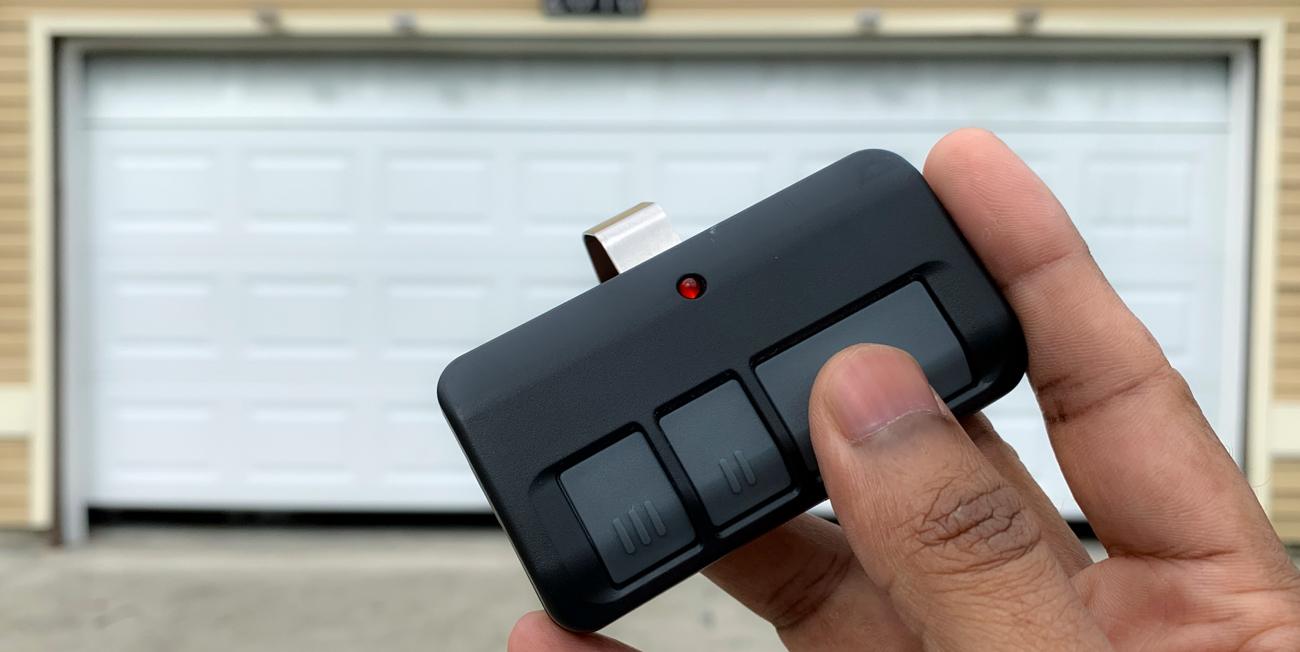
Garage door openers are designed to lift heavy doors with minimal effort. If your opener is slow, unresponsive, or inconsistent, it may be nearing the end of its lifespan or dealing with internal wear.
Signs of opener trouble include:
- Delayed response from the remote
- Loud humming or grinding
- Door reversing unexpectedly
- Intermittent operation
In many cases, garage door opener repair can restore proper function. If the opener is outdated, replacement may offer better reliability, improved security, and modern features.
Visible Wear on Cables, Rollers, or Tracks
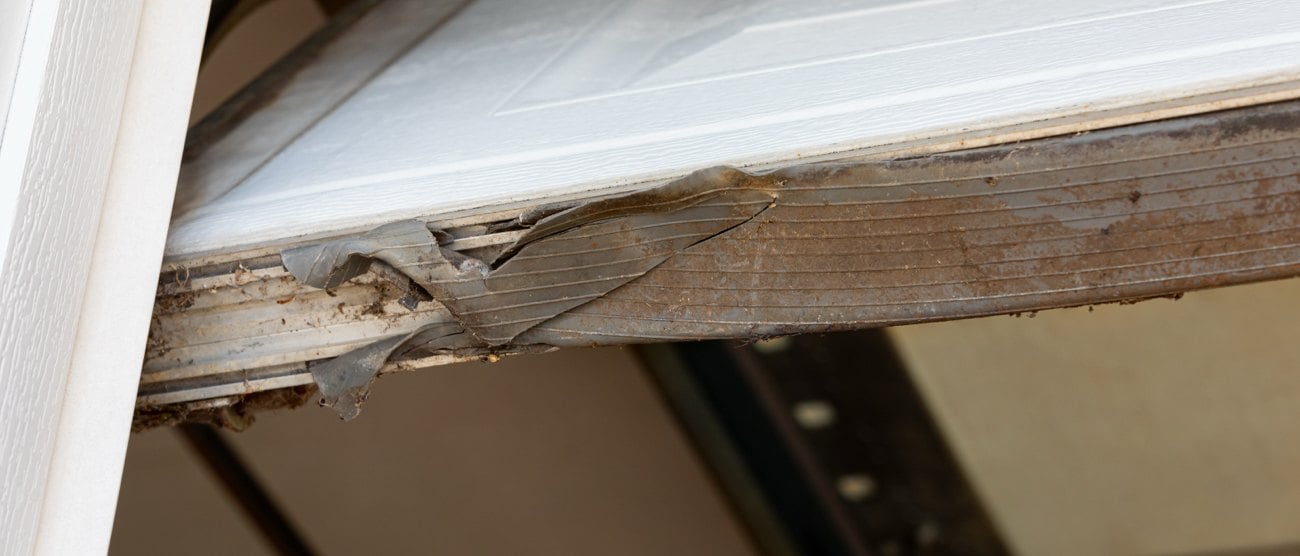
Garage door components experience constant motion and tension. Over time, cables can fray, rollers can crack, and tracks can bend or shift.
Visible signs of wear include:
- Rusted or frayed cables
- Chipped or cracked rollers
- Bent tracks or loose brackets
These parts are essential to safe operation. When one component fails, it often affects others. Professional service ensures worn parts are replaced correctly and the system is properly aligned.
The Door Looks Crooked or Sagging
A garage door should appear level when closed and evenly aligned when opening. If it looks crooked, sags on one side, or has visible gaps between panels, something is off.
This can be caused by:
- Uneven spring tension
- Track misalignment
- Panel damage
- Structural wear
In addition to affecting appearance, alignment issues increase strain on the opener and reduce insulation effectiveness.

Rising Energy Bills or Drafts Near the Garage
Your garage door plays a role in home energy efficiency, especially if the garage is attached. Worn seals, damaged panels, or poor insulation allow air to move freely in and out.
If you notice drafts near the door, moisture inside the garage, or higher heating or cooling costs; it may be time for professional inspection or upgrades. Proper garage door repair or replacement can improve comfort and efficiency.
People Also Ask
How do I know if my garage door needs repair or replacement?
Frequent repairs, ongoing performance issues, and visible wear often signal the need for professional evaluation. A technician can help determine whether repair or replacement makes more sense.
Is it safe to use a garage door with a broken spring?
No. A broken garage door spring makes the door unsafe to operate and can damage the opener or cause sudden failure.
Why does my garage door reverse when closing?
This is often due to sensor misalignment, track obstruction, or opener force settings. It should be inspected to prevent safety risks.
How often should a garage door be serviced?
Annual service is recommended to inspect springs, cables, rollers, and openers. Regular Toledo garage door service helps prevent unexpected breakdowns.
Can garage door problems get worse if ignored?
Yes. Small issues often lead to larger repairs when left unresolved, increasing cost and safety risk.
Why Professional Repair Matters
Garage doors are heavy, complex systems with high tension components. While minor upkeep can be handled by homeowners, most repairs should be left to trained technicians.
Professional service ensures:
- Proper diagnosis
- Safe handling of springs and cables
- Long term reliability
- Correct alignment and balance
Your garage door rarely fails without warning. Noise, uneven movement, slow operation, and visible wear are all signs that professional repair may be needed. Addressing these issues early helps protect your home, improve safety, and extend the life of your garage door system.
When you schedule service, you can expect 24/7 live support, same-day service when available, IDEA certified technicians, and a full 25-point safety inspection to ensure every repair is completed safely and correctly.
Book an appointment today to have your garage door inspected and repaired by experienced professionals who know what to look for and how to fix it right.