

Your garage door is more than just a moving wall that protects your car and belongings. It’s a key part of your home’s security, energy efficiency, and overall appearance. Most homeowners use their garage door several times a day, yet rarely stop to think about how it’s performing, until it stops working.
Like any mechanical system, a garage door gives off warning signs before a failure. The key is knowing what to listen and look for. Ignoring those early signals can lead to safety hazards, expensive repairs, or even a complete system replacement.
Below are the most common signs that your garage door might be trying to tell you something, along with expert guidance on when it’s time to call in a professional.
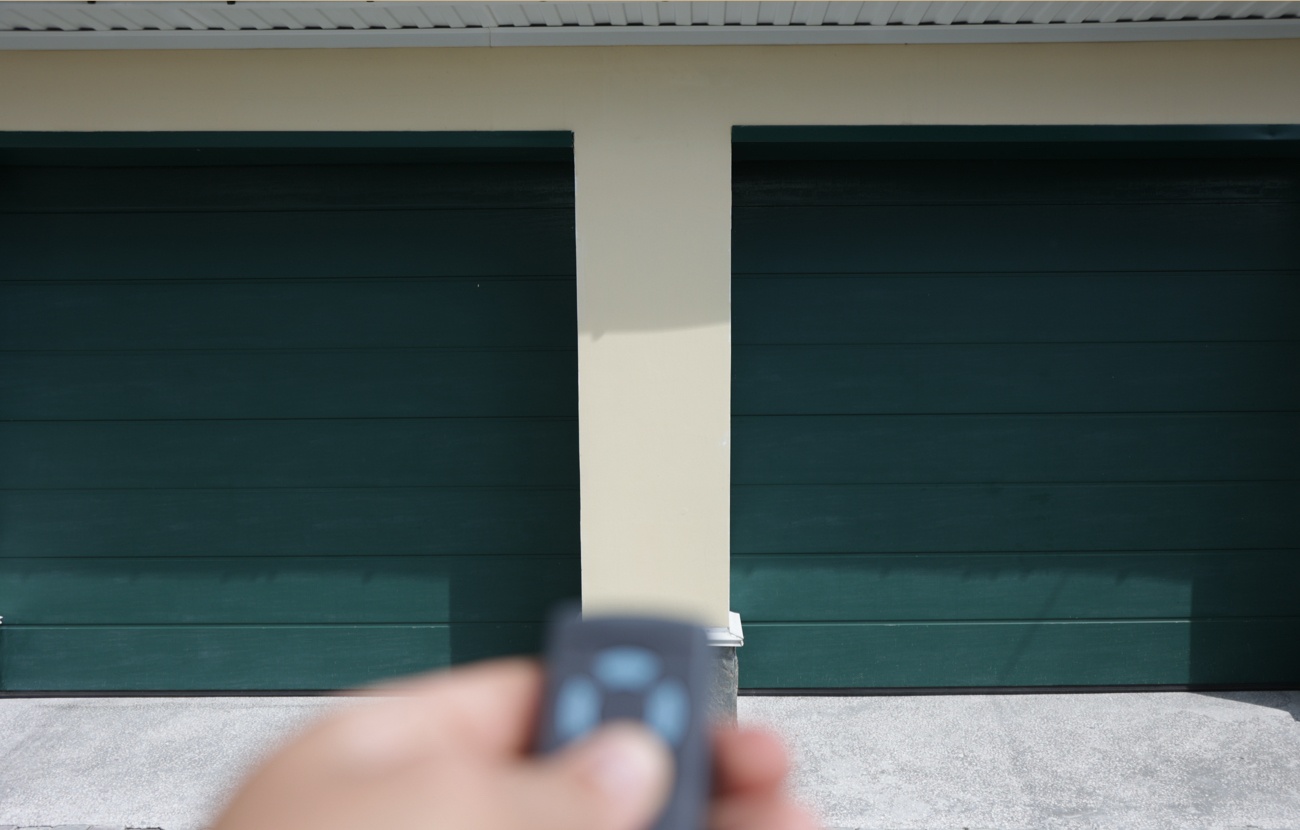
1. Your Garage Door Sounds Different
Every garage door has a familiar rhythm. When that sound changes, it usually means something isn’t working smoothly. Grinding, scraping, or banging often point to worn rollers, dry bearings, or loose metal components. Squealing might indicate a lack of lubrication, while rattling could mean fasteners have worked themselves loose.
Noise is one of the most overlooked warning signs because homeowners often assume “it’s just getting old.” In reality, persistent noise is the first stage of mechanical wear. Addressing it early can prevent major repairs later.
A technician can inspect the hinges, tracks, rollers, and springs to pinpoint the cause and restore quiet operation. A well-maintained door should open and close with minimal sound and steady movement.
2. Movement Feels Jerky or Uneven
A smooth-moving door indicates that the tracks, cables, and springs are balanced correctly. If the door starts jerking or hesitating as it moves, something in that system is off. Uneven movement may mean one side of the spring system is weakening, or that the tracks are no longer level.
Ignoring these signs can put unnecessary stress on the opener motor and shorten its lifespan. It can also create safety risks, especially if the door becomes unbalanced and slams shut unexpectedly.
If your garage door shudders or stops midway, avoid using it until a technician checks the tension springs and rollers. Continuing to operate a door in this condition can cause a cable to snap or the door to fall out of alignment.
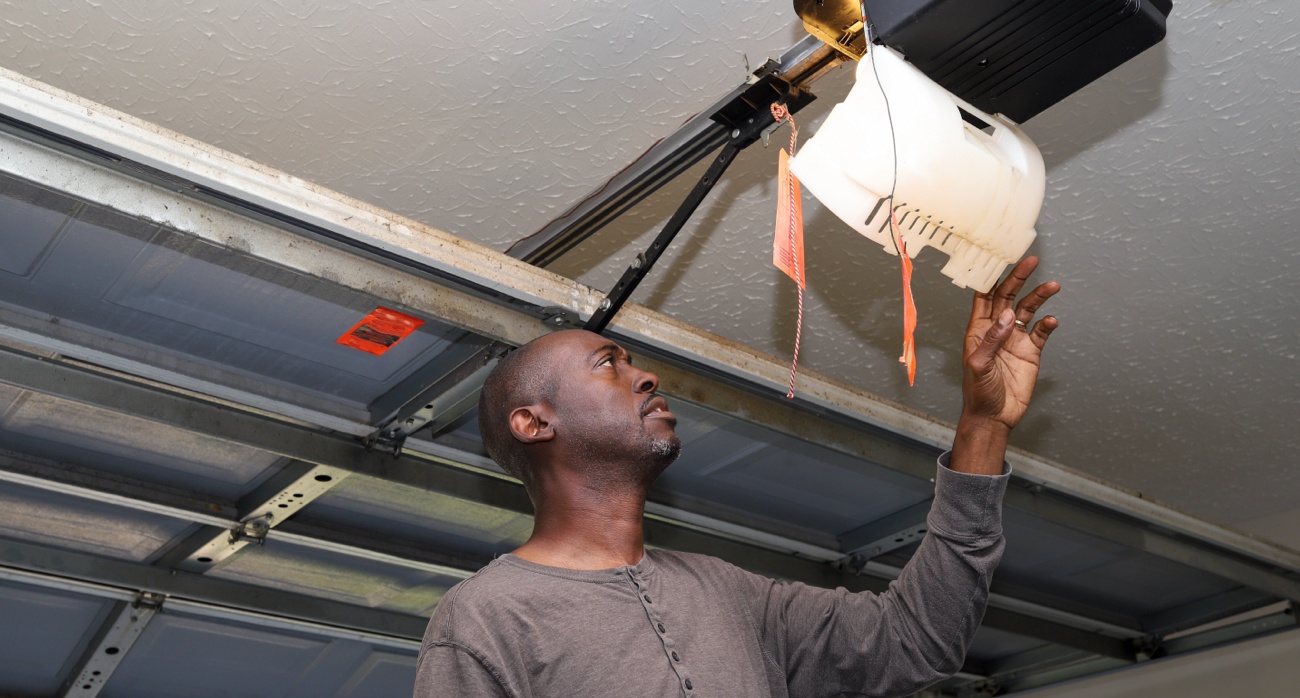
3. The Opener Struggles or Responds Slowly
Garage door openers are built to lift hundreds of pounds with minimal effort. When you notice slow response times, flickering lights, or intermittent signal issues, it’s a sign the opener is under strain.
Common causes include worn gears, poor circuit connections, or overstressed motors. In many cases, the problem is not the door itself but the opener system that drives it.
If your opener is more than ten years old, it may lack the technology and energy efficiency of modern models. Upgrading to a newer opener with smart features allows you to monitor and control your garage door from anywhere, while also improving security and performance.
4. Sagging Panels or Gaps Between Sections
Visual changes are another signal that your garage door needs attention. Over time, door panels can warp or lose alignment due to weather exposure or worn hinges. When this happens, gaps may appear between the sections, or the bottom edge may no longer sit flush with the floor.
Sagging panels reduce your home’s insulation and allow water, dust, or pests to enter the garage. They can also indicate structural weakness that makes the door unsafe to operate.
A professional can determine whether a simple realignment will solve the problem or if panel replacement is required. In some cases, upgrading to a new insulated door can dramatically improve energy efficiency and curb appeal.
5. Light or Air Coming Through the Edges
Weatherstripping around the door is designed to create a tight seal when closed. If you notice light shining through the sides or feel a draft near the bottom, the seals may have cracked or worn out.
Replacing these seals is a simple but important maintenance step. It helps keep moisture out, prevents temperature fluctuations, and protects the door from corrosion. Even small gaps can lead to heat loss in winter or increased humidity during summer.
6. The Door Feels Heavy or Unbalanced
When operating the door manually, it should lift smoothly and remain in place when halfway open. If it feels unusually heavy or wants to drop shut, that’s a clear indicator of spring trouble.
Garage door springs counterbalance the door’s weight. When one begins to weaken, the opener must work harder to lift the door, eventually leading to motor strain or a broken cable.
Because springs are under extreme tension, they should only be adjusted or replaced by trained professionals. Attempting to fix them without proper tools can result in serious injury.

7. Your Energy Bill Is Increasing
Many homeowners don’t realize how much their garage affects home efficiency. If the door isn’t sealed properly or the panels are uninsulated, conditioned air can escape, forcing your heating and cooling system to work harder.
Older metal doors without insulation allow temperature changes to transfer easily. Replacing them with insulated models helps maintain stable temperatures, making your home more comfortable and lowering monthly energy costs.
Common Questions About Garage Door Performance
Why is my garage door making a loud noise when opening or closing?
Most loud noises come from lack of lubrication, loose bolts, or worn rollers. However, persistent grinding or popping sounds could indicate a damaged spring or track misalignment. A quick inspection can determine the cause before it worsens.
Should I try to fix a broken spring myself?
No. Springs are under significant tension and can cause serious injury if handled incorrectly. Always call a certified technician for spring replacement.
How long does a typical garage door last?
A well-maintained door can last 15 to 25 years depending on usage, material, and climate. Regular tune-ups and lubrication help extend its life.
What garage maintenance should I do myself?
Homeowners can safely clean the tracks, lubricate moving parts with a silicone-based product, and check weather seals twice a year. Anything involving cables, springs, or openers should be left to professionals.
When should I replace my garage door opener?
If your opener is older than a decade, struggles to lift the door, or lacks safety sensors and smart features, it’s worth replacing. Newer models are quieter, more efficient, and come with built-in Wi-Fi and security features.
Keeping Your Garage Door Reliable Year-Round
Garage doors are built to last, but regular maintenance plays an important role in keeping them safe and dependable. Changes in noise, balance, or movement are often early indicators that service may be needed, and addressing them sooner can help prevent unexpected breakdowns.
In Toledo and surrounding communities, seasonal temperature swings place added stress on springs, hardware, and weather seals. Scheduling a yearly inspection before winter helps confirm your system is operating properly and ready for colder conditions.
When we inspect a garage door, safety comes first. Our IDEA certified technicians complete a detailed 25-point safety inspection, explain any concerns clearly, and review recommendations with you before any work begins. With 24/7 live support, same-day service availability, and high cycle replacement parts designed for long term performance, homeowners know exactly what to expect every step of the way.