

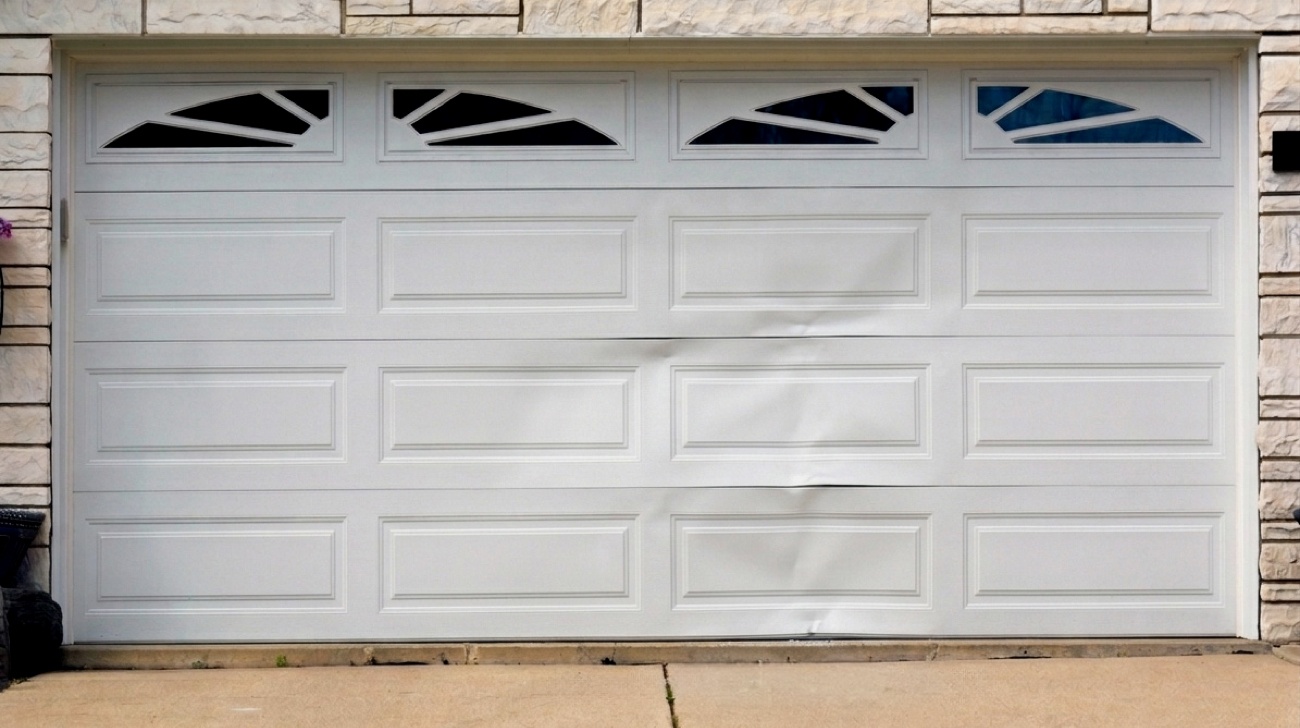
A dented, cracked, or bent garage door panel can make the entire door look like it needs to be replaced. Fortunately, damage to one section does not always require a completely new door.
If the damage is isolated and the rest of the door remains in good condition, garage door panel replacement may be a practical option. However, the age of the door, availability of a matching panel, condition of the surrounding hardware, and severity of the damage all affect the decision.
How Garage Door Panel Replacement Works
Most residential garage doors consist of several horizontal sections connected by hinges. Since each panel is a separate section, a technician may be able to remove the damaged panel and install a compatible replacement.
Replacing one panel generally makes sense when:
- The damage is limited to one section
- The remaining panels are in good condition
- A matching replacement section is available
- The tracks, rollers, hinges, cables, and supports remain undamaged
- The replacement cost is reasonable compared to a new door
A professional inspection is important because the visible dent or crack may not show the full extent of the damage. An impact can also bend a track, loosen a hinge, damage a roller, or affect the alignment of the door.
Evaluating the Type of Panel Damage
Not every dent requires the same response. The location, depth, and shape of the damage can determine whether the panel can remain in place or should be replaced.
Minor Cosmetic Damage
A shallow dent or surface mark may not affect how the garage door moves. If the panel remains straight, stable, and properly aligned, the issue may be limited to appearance. The material of the panel matters. Steel, aluminum, wood, and composite doors respond differently to impact damage. Even when a dent can be improved, restoring the panel to its original appearance may not always be possible.
Avoid hammering, drilling, or forcing the panel back into shape. These methods can damage the finish, weaken the material, or create additional alignment problems.
Structural Panel Damage
Deep creases, cracks, warping, and damage near hinges or rollers are more concerning. These problems can weaken the section and affect how the door moves through the tracks.
Panel replacement may be necessary when you notice:
- A panel bending or flexing during operation
- Cracks, splits, or separation between layers
- Crushed or exposed insulation
- Damage around a hinge, roller, or support strut
- Rust or rot that has weakened the section
- Gaps forming between panels
A weakened section can place added strain on the hinges, rollers, tracks, cables, and garage door opener. Continuing to operate the door may cause the original damage to spread.
Finding a Matching Replacement Panel
Availability is one of the biggest factors in determining whether one panel can be replaced. The new section must match the manufacturer, model, width, height, design, and construction of the existing garage door. Finding a replacement is usually easier when the door is relatively new and the manufacturer still produces the same model. Older or discontinued doors may not have compatible sections available.
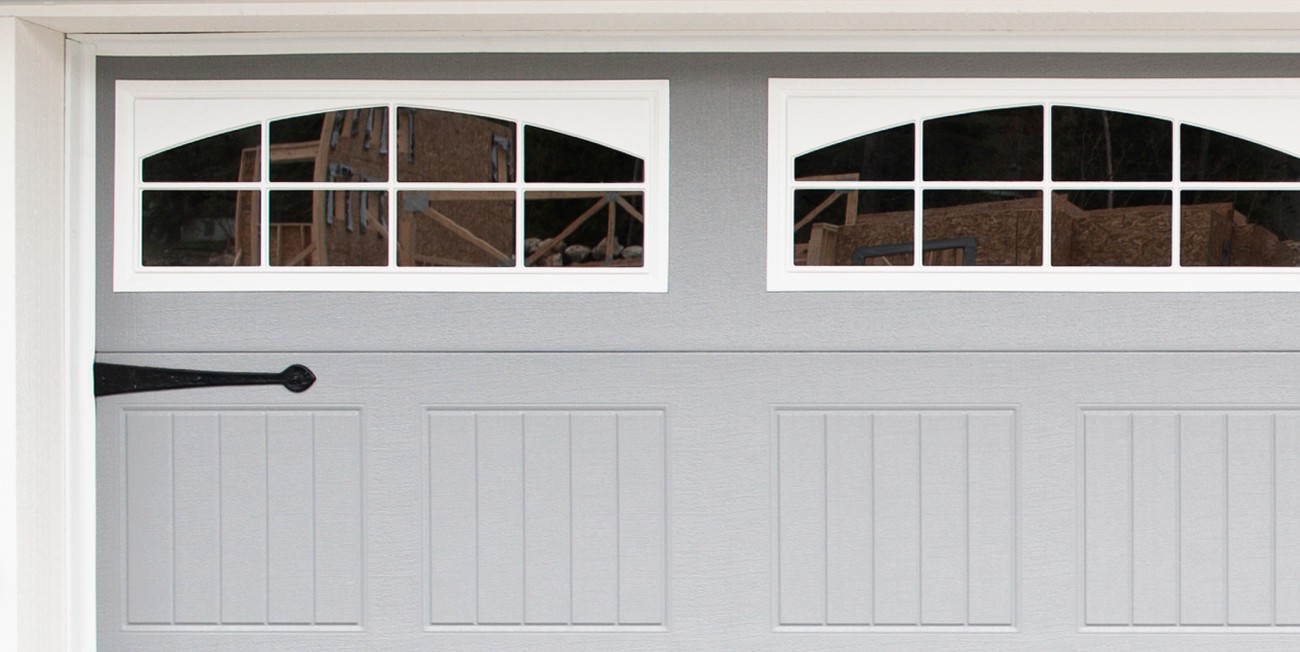
Decorative windows, custom finishes, uncommon sizes, and specialty hardware can make the search more difficult. A panel from another manufacturer may look similar but may not connect or move correctly with the existing sections. Color can also be a concern. Sunlight, moisture, and weather exposure can fade a garage door over time. Even when the correct factory color is available, the new section may appear brighter than the surrounding panels.
If an acceptable match cannot be found, replacing the complete door may provide a cleaner appearance and more dependable operation.
When Complete Garage Door Replacement Makes More Sense
Replacing one panel is often worthwhile when the door is newer and the damage is isolated. It may be less practical when the door already has widespread wear or has required several recent repairs.
A complete replacement may make more sense when:
- Multiple panels are damaged
- The door has extensive rust, rot, or deterioration
- A matching replacement section is unavailable
- The tracks or other structural components were damaged
- The door requires frequent repairs
- The panel replacement cost is close to the cost of a new door
The remaining life of the door should also be considered. Installing one new panel will not be correct to wear affecting the other sections, springs, rollers, or hardware.
A new garage door also gives you the opportunity to update the appearance of your home, improve insulation, and replace aging components at the same time.
Safety Concerns with a Damaged Garage Door Panel
A shallow cosmetic dent may not prevent the door from working. More significant damage can affect the movement and stability of the entire door.
Stop operating the door if the damaged section bends, catches, separates from another panel, or causes uneven movement. Scraping, grinding, or popping sounds can also indicate damage to the rollers, tracks, hinges, or supports.
Watch the door from a safe distance and look for:
- A section that flexes while opening
- Rollers moving toward the edge of the tracks
- Loose or damaged hinges
- Uneven gaps between panels
- A door that appears crooked
- A bottom section that no longer seals against the floor
Do not attempt to remove the damaged panel yourself. Garage doors are heavy, and the springs and cables operate under significant tension. Removing hinges, fixtures, or support hardware can cause the door to shift or fall.
Factors That Affect Panel Replacement Cost
There is no single price for replacing a garage door panel. The final cost depends on the panel itself and whether the impact affected other parts of the door.

Common cost factors include:
- The manufacturer and model
- The size and material of the panel
- Whether the section is insulated
- The availability of a matching replacement
- The location of the damaged section
- Damage to hinges, rollers, tracks, or supports
A professional inspection can determine whether the damage is limited to the panel and compare the repair cost with the cost of replacing the complete door.
Frequently Asked Questions
Can the Bottom Garage Door Panel Be Replaced?
Yes, the bottom section can often be replaced when the correct panel is available. However, this section connects important fixtures, cables, and the bottom weather seal. It should be replaced by a trained technician who can secure the door properly.
Can a Garage Door Panel Be Replaced Without Changing the Tracks?
Yes, if the existing tracks are compatible and were not damaged. The tracks should still be inspected because the same impact that damaged the panel may have bent or shifted them.
Is It Worth Replacing One Garage Door Panel?
It may be worthwhile when the door is relatively new, the damage is limited to one section, and a matching panel is available. Replacing the full door may provide better value when several sections are worn or the existing model has been discontinued.
Does Homeowners Insurance Cover Garage Door Panel Damage?
Coverage depends on the cause of the damage and the terms of the policy. Damage caused by a vehicle, storm, or another covered event may qualify. Normal wear, rust, and deterioration are generally treated differently. Contact your insurance provider to confirm your coverage.
Find the Right Solution for a Damaged Garage Door
A damaged panel does not always require a complete garage door replacement. If the damage is limited to one section and a matching panel is available, replacing that section may be possible. More extensive damage, an older door, or problems affecting multiple panels may make full replacement the better long term choice.
Our technicians inspect the damaged section, surrounding hardware, tracks, and door balance before explaining the available options. Every service visit also includes a 25-point safety inspection to uncover related issues that could affect safe operation.
If your garage door has a dented, cracked, or bent panel, book an appointment for a professional evaluation before the damage worsens or places additional strain on the system.