

A garage door opener that stops responding usually picks a bad moment. The door is stuck open when you need to leave for work, or stuck closed with your car inside. Before you assume the opener needs to be replaced, it helps to know that most opener problems come from a short list of causes, and several of them take only a few minutes to check.
At Precision Garage Door Service of Toledo, we repair openers for homeowners across Northwest Ohio. This guide walks through the most common reasons an opener stops working, what you can safely check yourself, and the point where it makes sense to hand the job to a technician.
Check the Basics Before Calling for Service
Most opener complaints start with something simple. Work through these checks in order, because each one rules out a cause and points you toward the next.
Confirm the Opener Has Power
Start by looking at the opener itself. Storms are common in our area, and a surge or brief outage can trip a breaker or reset an outlet without you noticing. Run through these checks:
- Make sure the opener is plugged in and the outlet has power
- Press the reset button if the outlet is a GFCI type, since these shut off after a surge or a moisture issue
- Check the breaker in your electrical panel
- Look for lights on the opener unit
If the opener has no lights and makes no sound at all, power is the first place to look.
Test the Wall Control and the Remote
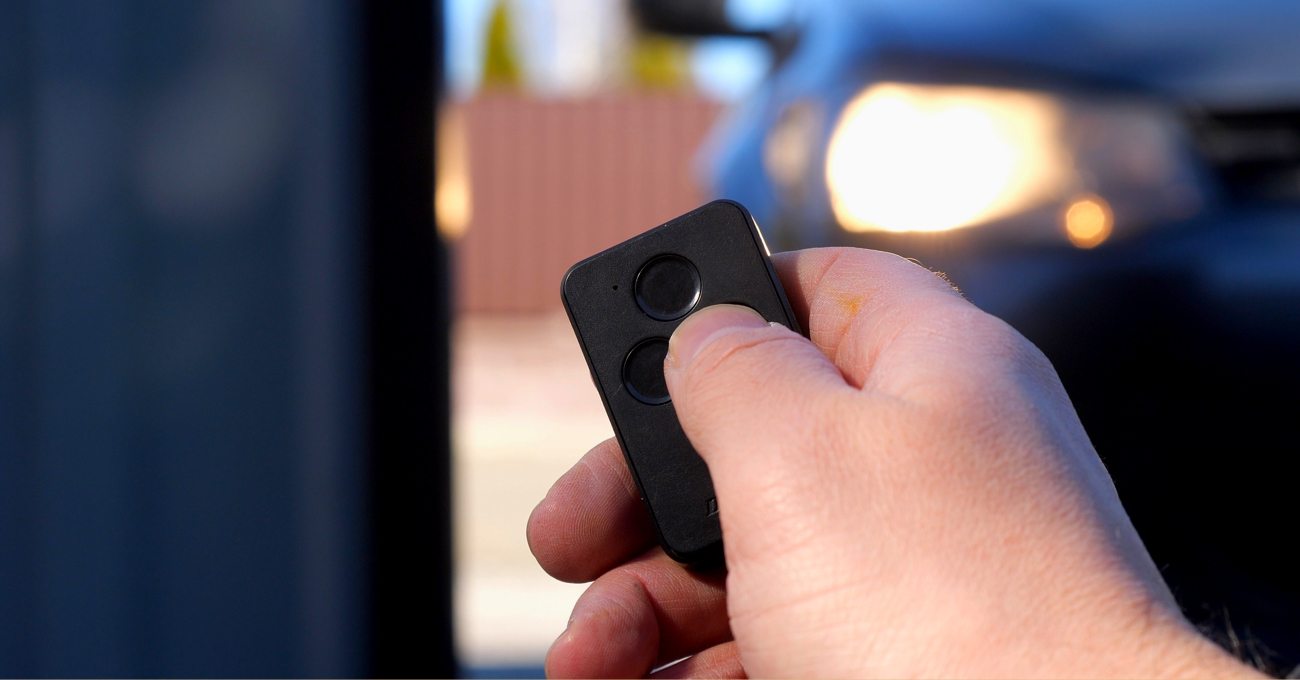
Try the wall control first, then the remote. If the wall control opens the door and the remote does not, the problem is usually the remote and not the opener. If neither one works but the opener has power, the issue is more likely inside the opener or with the door itself. Testing both takes less than a minute and tells you which direction to go.
Replace the Batteries and Reprogram the Remote
A weak remote battery is one of the most common reasons a remote stops working, and cold weather makes it worse. Toledo winters can shorten battery life quickly, so a remote that worked in the fall may struggle in January. Replace the battery and try again from close to the door. If a fresh battery does not help, the remote may need to be reprogrammed to the opener. If reprogramming fails, the receiver inside the opener may be the problem, and a technician can test it.
Why the Motor Runs but the Door Does Not Move
It is confusing to hear the opener running while the door stays put. In most cases, the opener is doing its job and something else is keeping the door from lifting. Three causes come up most often.
The Door May Be Disconnected From the Opener
Look at the red emergency release cord hanging from the trolley on the opener rail. If someone pulled it, the door is disconnected from the opener, and the motor will run without moving anything. This can happen by accident when the cord catches on a bike handlebar or a stored item. When the door is closed and resting on the floor, you can usually reconnect it by following the opener manual, which typically involves running the opener until the trolley latches back onto the door. If you are not sure how to do this safely, call a technician.
A Broken Spring Is Often the Real Cause
Garage door springs do most of the lifting. An opener guides the door and adds some power, but it is not built to lift the full weight of a door on its own. A broken spring is a common reason a door will not go up.
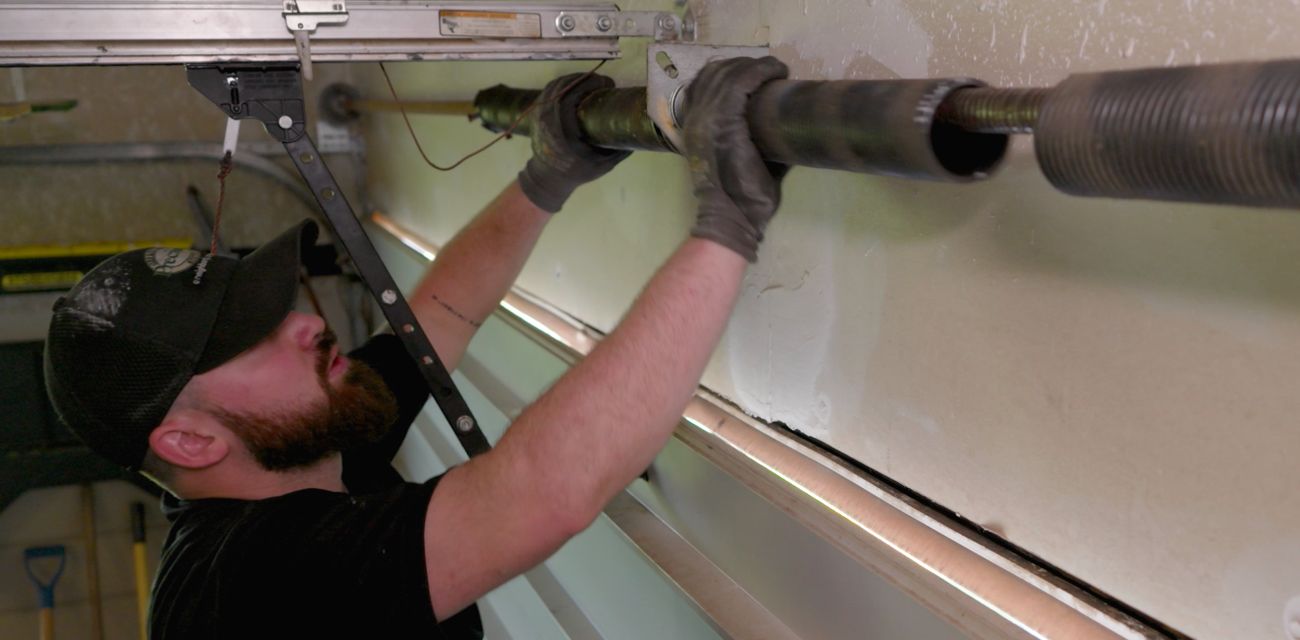
Signs include a door that feels very heavy when lifted by hand, a visible gap in the spring, or a loud bang from the garage right before the problem started. Do not pull the release cord while the door is open, and do not try to lift a heavy door that will not stay up. A door with a broken spring or poor balance can fall quickly. If you suspect a spring issue, professional spring repair is the safest option.
A Worn Gear Inside the Opener
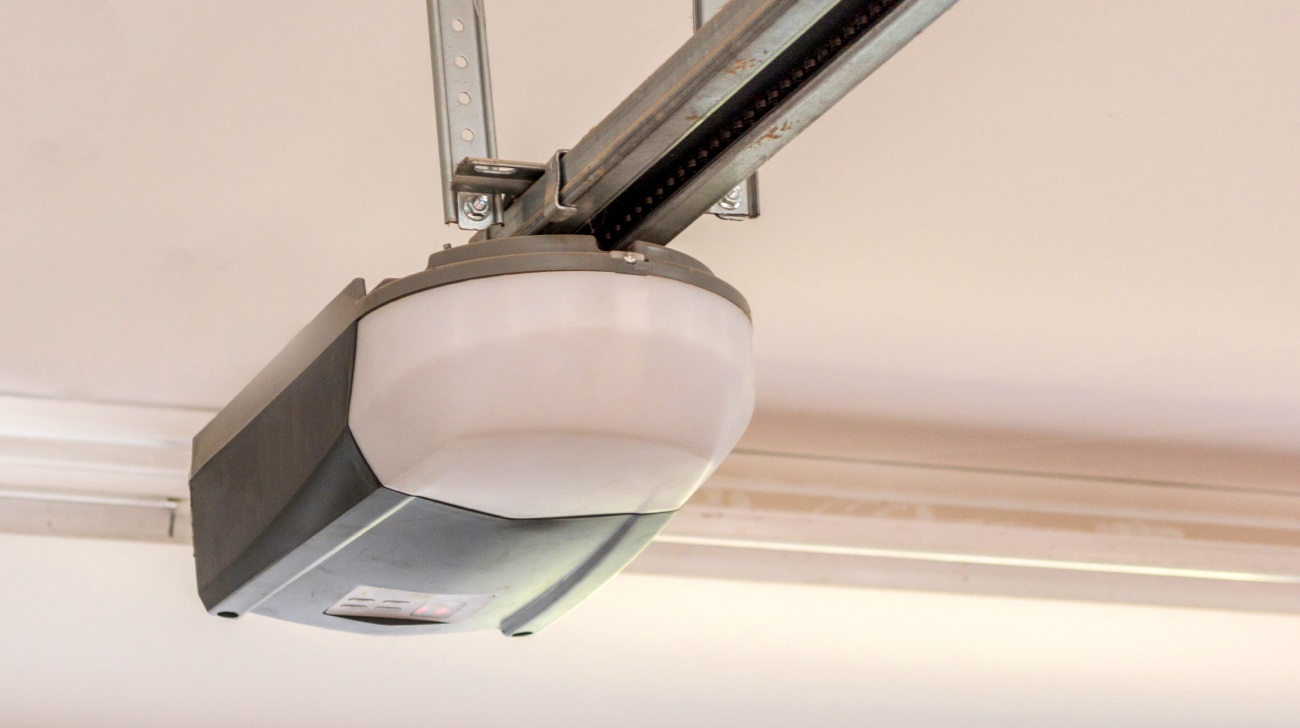
Some openers use a gear inside the motor housing to move the trolley. Over time that gear can wear down or strip, and the opener will spin or grind without pulling the door. If you hear grinding, or the motor runs but the trolley does not travel along the rail, the opener likely needs a repair. This is not a homeowner fix, since it requires opening the unit.
Why the Door Closes and Then Reverses
A door that starts to close and then goes back up is doing what it was designed to do. The opener is reacting to something it reads as a problem. That reaction protects people, pets, and property, so the goal is to find what triggered it, not to override it.
Dirty, Blocked, or Misaligned Safety Sensors
Safety sensors sit near the floor on each side of the door and send an invisible beam across the opening. If the beam is blocked, or the sensors are dirty or out of alignment, the door will stop or reverse. Blinking lights on the sensors are a common sign. Wipe both lenses with a soft cloth, clear away anything in the path such as leaves, a stored item, or built up snow, and check that the sensors face each other. Even a small bump can knock a sensor out of line.
Travel and Force Settings That Are Off
If the sensors look fine and the door still reverses, the opener's travel or force settings may need adjustment. These settings tell the opener how far to move the door and how much resistance to accept before it reverses. When they are set too tightly, the door can bounce back even though nothing is in the way. They can also drift over time as parts wear. Adjusting them incorrectly can leave the door unsafe, so this is best left to a technician.
Why You Should Never Bypass the Sensors
Some homeowners are tempted to disable the sensors to get the door closing again. Do not do this. The sensors are an important safety feature, especially in homes with kids, pets, or people who walk through the garage often. We cover more in our garage door safety tips for homeowners. If the door keeps reversing and you cannot find the cause, a repair visit is the better path.
Signs the Opener Needs Professional Repair
If the power, remote, sensors, and release cord all check out, the opener may have a worn or failed part. Opener trouble tends to show up as a change in how the door sounds or moves, and paying attention early can prevent a full breakdown.
Changes in Sound and Movement
Grinding, clicking, or straining while the door moves points to worn parts in the opener or extra strain from the door. A door that stops partway up or down, moves in a jerky way, or runs slower than it used to deserves attention too. If noise is your main concern, our guide on how to fix a noisy garage door explains which sounds tend to come from the opener and which come from the door.
Inconsistent Performance
An opener that works some days and not others is showing you a pattern. Intermittent problems often come from a failing receiver, a loose connection, or a worn part that only slips under certain conditions. Flashing lights on the opener unit can also point to an issue with the sensors or the logic board. These problems rarely fix themselves, and they tend to get more frequent over time.
What a Technician Looks At
An opener repair visit goes beyond the opener. A technician will check the power supply, the receiver and remotes, the drive system and gears, the travel and force settings, and the safety sensors. They will also look at the door itself, because springs, cables, rollers, and tracks all affect how hard the opener has to work. We repair many popular opener brands, and you can read more in our post on what kinds of openers Precision repairs.
Repair or Replace the Opener?
Once a technician finds the cause, the next question is whether the opener is worth repairing. The answer depends on the condition of the opener and how well it fits your needs today.
When Repair Makes Sense
Repair makes sense when the problem is a single failed part and the rest of the opener is in good shape. A worn gear, a failed receiver, or a sensor issue can often be fixed without replacing the whole unit. Our opener repair service covers diagnosis and repair, and our fully stocked trucks allow us to complete most repairs in a single visit.
When Replacement Makes Sense
Replacement may be the better choice if the opener is older, parts are hard to find, or the same problem keeps coming back. Newer openers offer quieter drive systems, smart controls, and battery backup for power outages. If you are weighing an upgrade, our post on the pros and cons of a smart garage door opener is a good place to start, and you can browse our new door opener options as well.
Why Door Balance Affects Opener Life
A new opener will not solve a problem that starts with the door. If the springs are worn or the door is out of balance, the opener has to work harder every cycle, and that extra strain shortens its life. This is why a full inspection matters. Fixing the door and the opener together gives you the best chance of a system that works reliably.
When to Call Us
Some opener problems are worth a quick check at home. Others are not worth working around, because delaying can turn a small repair into a larger one.
Problems to Leave to a Professional
Some problems are not worth working around. Call for service if:
- The opener has power but still will not work after the basic checks
- A spring or cable looks damaged
- The door is off track
- The door reverses and the sensors look fine
- You hear grinding from the opener
Same Day, Evening, and Weekend Appointments
A door that will not open or close disrupts your whole day, so we offer same-day service, along with evening and weekend appointments at no extra charge. As a locally owned company, we serve homes across Toledo and Northwest Ohio, and you do not have to wait for a weekday to get help.
Get Your Opener Working Again
Most opener problems come down to power, the remote, the sensors, or a part that has worn out. Checking these in order can save you time, and knowing when to stop and call a professional keeps you safe. If your opener is not working, we can find the cause and fix it. We provide garage door repair, opener repair, spring repair, and more for homeowners.
Book an appointment today to schedule opener repair at a time that works for you.